


Acting Foreign Minister Linas Linkevičius: Lithuania welcomes the adoption by the EU of a global human rights sanctions regime
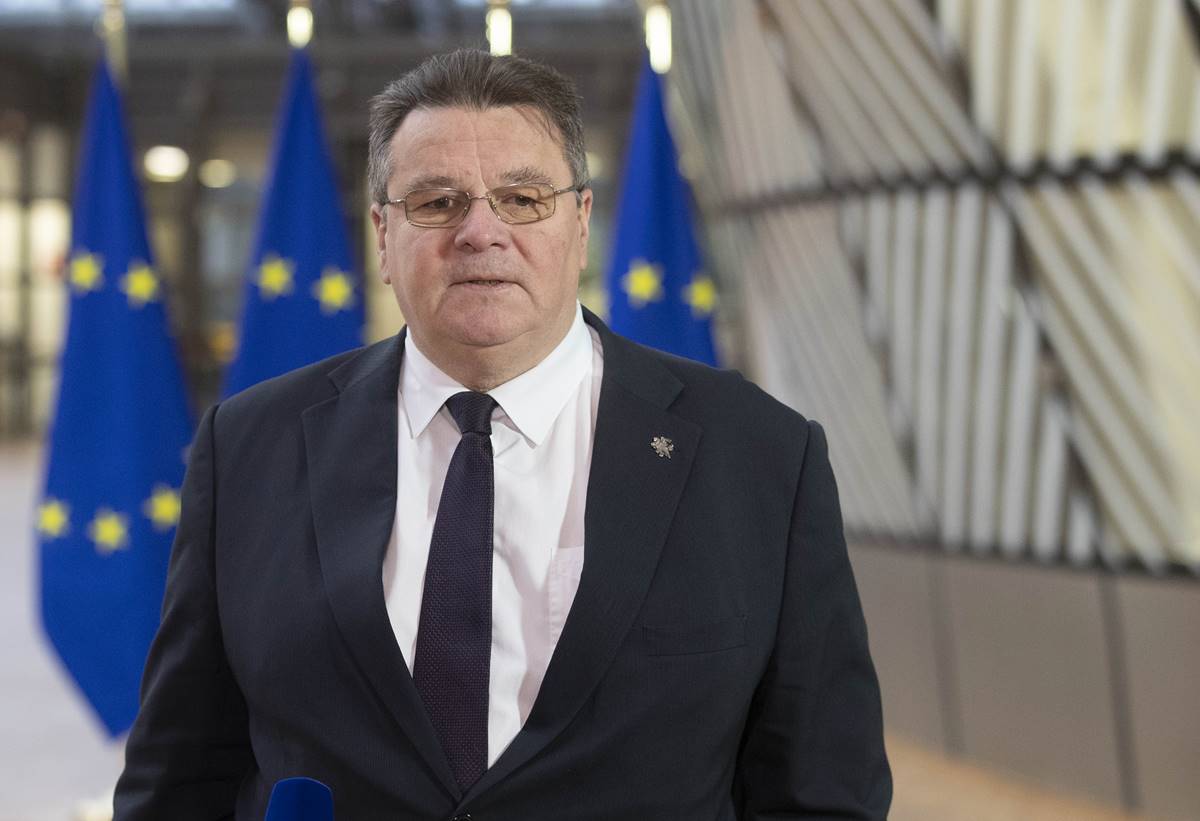
On 7 December in Brussels, Belgium, the Foreign Affairs Council adopted a decision and regulation establishing a global human rights sanctions regime, which is informally known as the ‘European Magnitsky Act’.
The Acting Minister of Foreign Affairs Linas Linkevičius voiced Lithuania’s strong support for the adoption of a global human rights sanctions regime. Lithuania is among the most active EU member states that have consistently supported the 2018 proposal by the Netherlands to establish a new EU sanctions regime that would target individuals accused of human rights abuses worldwide.
“The adoption of a global human rights sanctions regime has historical significance. The EU has sent a strong message to those responsible for, involved in or associated with serious human rights violations worldwide that sanctions can be imposed on them by the EU,” said Linkevičius. According to the Acting Foreign Minister, the EU restrictive measures could also be introduced for a criminal act of corruption in the future.
The framework for targeted restrictive measures applies to acts such as genocide, crimes against humanity and other serious human rights abuses. Other human rights violations can also fall under the scope of the sanctions regime where those violations or abuses are widespread, systematic or are otherwise of serious concern as regards the objectives of the common foreign and security policy set out in the Treaty.
The European Magnitsky Act is named after the Russian lawyer Sergei Magnitsky who died of mistreatment in a Moscow prison in 2009.
Photo: Foreign Affairs Council
Social media


